Report warns China's military expansion in Tibet threatens Himalayan ecology, water security, and regional stability
ANI
20 Aug 2025, 14:36 GMT+10
 Share
Share
 Tweet
Tweet
 Share
Share
 Flip
Flip
 Email
Email
Subscribe and Follow
Get a daily dose of Nepal National news through our daily email, its complimentary and keeps you fully up to date with world and business news as well.


News RELEASES
Publish news of your business, community or sports group, personnel appointments, major event and more by submitting a news release to Nepal National.
More InformationGoogle to $36 million penalty for Android search deals in Australia

SYDNEY, Australia: Google has agreed to pay a A$55 million (US$35.8 million) fine in Australia after regulators found it stifled competition...
Australian court slaps Qantas with $58 million fine over staff layoffs
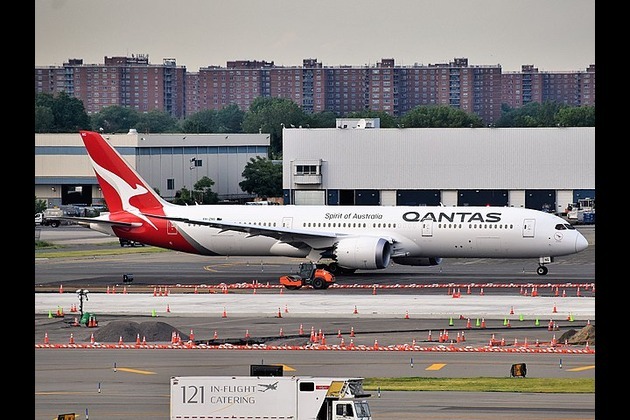
SYDNEY, Australia: Australia's flag carrier Qantas Airways has been ordered to pay A$90 million (US$58.6 million) after a court ruled...
Technology stocks dive, broader market dips

NEW YORK, New York - Tech stocks led a downturn on U.S. stock markets on Tuesday as majors including Nvidia fell sharply. The AI trade...
New Texas facility will breed sterile flies to protect US cattle herds
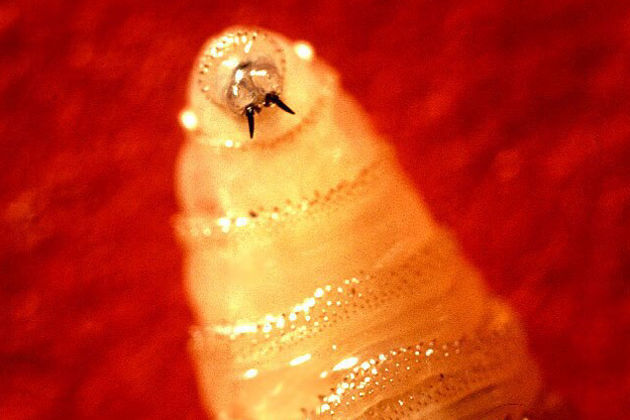
WASHINGTON, D.C.: The U.S. Department of Agriculture (USDA) will invest up to US$750 million to construct a new production facility...
Flight attendants walkout shuts down Air Canada during peak season
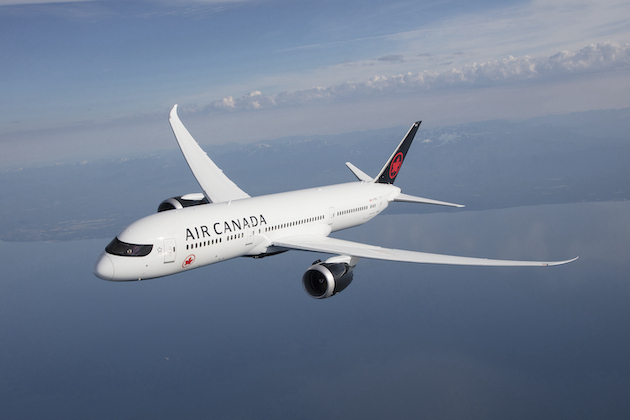
TORONTO, Canada: Air Canada suspended all flights early on August 16 after more than 10,000 flight attendants walked off the job, triggering...
Berkshire Hathaway takes $1.6 billion UnitedHealth stake, shares surge
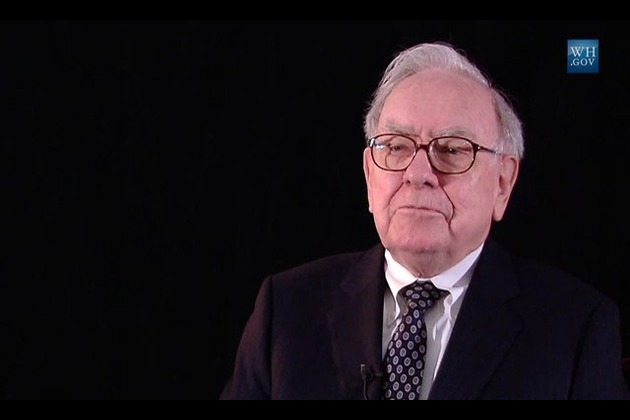
MINNETONKA, Minnesota: Shares of UnitedHealth Group have surged since Warren Buffett's Berkshire Hathaway disclosed ilast week it had...
Heavy rain in Indian Kashmir leaves 46 dead, 200+ missing
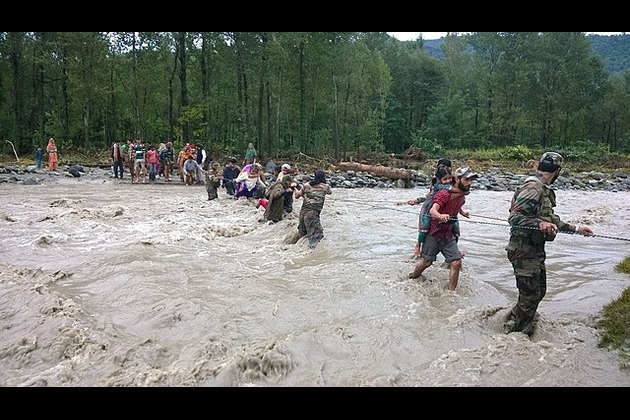
SRINAGAR, India: A sudden, intense downpour triggered deadly flooding in Indian Kashmir's Kishtwar district on August 14, killing at...
Indian PM vows to protect farmers amid rising US-India trade tensions
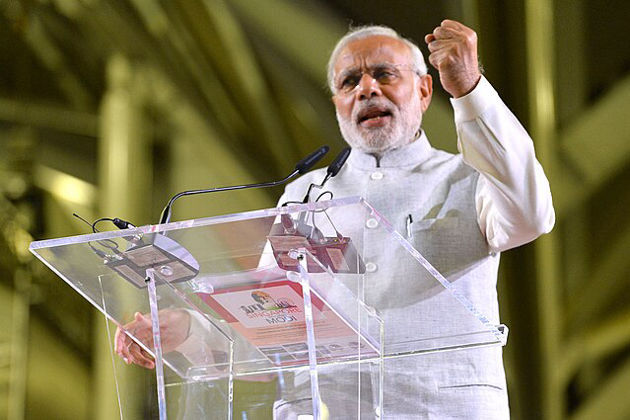
NEW DELHI, India: On August 15, Prime Minister Narendra Modi used his Independence Day address to call for greater national self-reliance,...
Vietnam leader unveils plans for Vietnam’s biggest economic overhaul
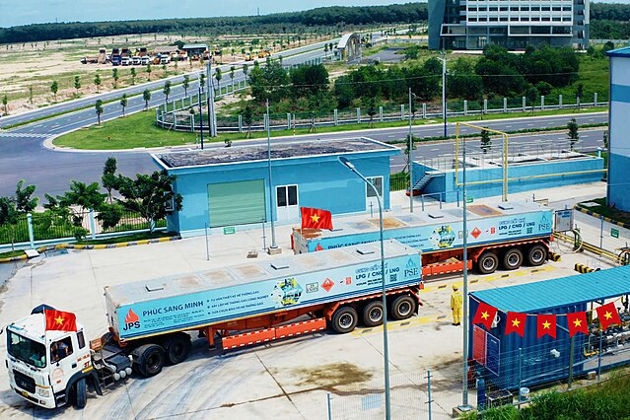
HANOI, Vietnam: Communist Party chief To Lam declared the start of a new era of development at the party's central school late last...
India's MSME exports in textiles, chemicals to be hit most by US tariffs as they form major part of shipments to US: Crisil
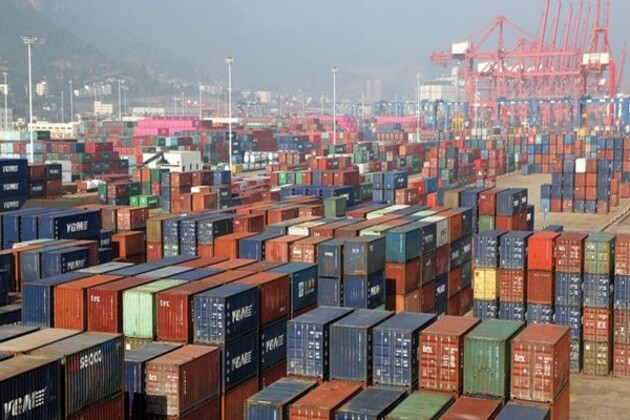
New Delhi [India], August 20 (ANI): Micro, small and medium enterprises (MSMEs) in sectors such as textiles, diamonds and chemicals,...
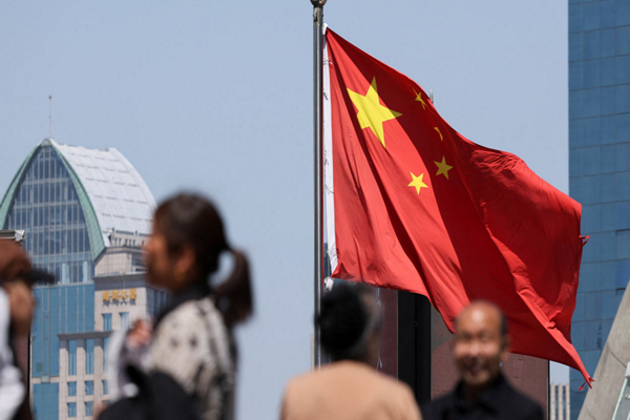
Report warns China's military expansion in Tibet threatens Himalayan ecology, water security, and regional stability
Dharamshala, Himachal Pradesh [India] August 20 (ANI): China's military growth in Tibet is inflicting significant harm on the delicate...
Grenade attack injures six in Balochistan's Usta Mohammad; four killed in Panjgur shooting
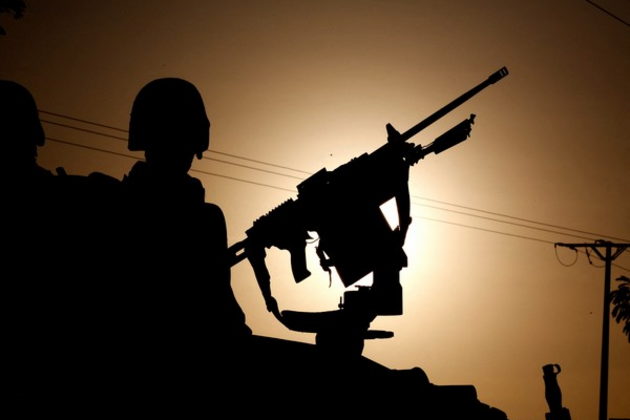
Balochistan [Pakistan] August 20 (ANI): At least six people, including four police personnel, were injured in a grenade attack on a...