


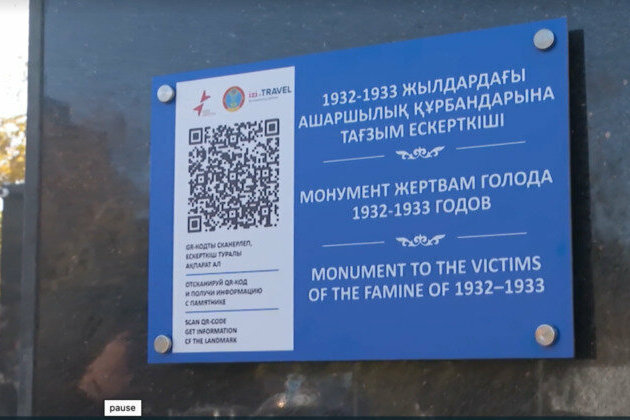
Wary Of Angering Russia, Kazakhstan Alters Plaque On Famine
RFE
23 Oct 2025, 16:31 GMT+10
 Share
Share
 Tweet
Tweet
 Share
Share
 Flip
Flip
 Email
Email
Subscribe and Follow
Get a daily dose of Nepal National news through our daily email, its complimentary and keeps you fully up to date with world and business news as well.


News RELEASES
Publish news of your business, community or sports group, personnel appointments, major event and more by submitting a news release to Nepal National.
More InformationChina overtakes US as tariffs hit German exports
BERLIN, Germany: China has once again become Germany's largest trading partner, overtaking the United States in the first eight months...
Companies trim tariff forecasts as Trump trade deals ease impact

WASHINGTON, D.C.: Global companies have reported more than US$35 billion in costs tied to U.S. tariffs, but many are now scaling back...
China’s rare earth curbs pose global supply risk, Goldman warns

NEW YORK CITY, New York: Goldman Sachs has warned that global supply chains for rare earths and other critical minerals face mounting...
U.S. stocks sell off, Nasdaq Composite sheds 213 points

NEW YORK, New York - U.S. stock markets fell on Wednesday as renewed weakness in technology shares and cautious sentiment ahead of...
China GDP growth dips to 4.8%, slowest in a year amid tariffs
HONG KONG: China's economy grew 4.8 percent year-on-year in the July–September quarter, the slowest pace in a year, as U.S. tariffs,...
L’Oréal to buy Kering beauty unit for $4.7 billion as de Meo pivots

PARIS, France: Kering has agreed to sell its beauty business to L'Oréal for 4 billion euros (US$4.66 billion), marking one of the first...
Samsung family plans $1.2 billion share sale after stock rally

SEOUL, South Korea: Members of Samsung's founding family plan to sell 1.73 trillion won (US$1.22 billion) worth of shares in Samsung...
Pakistan's 1947 invasion branded a "day of betrayal" as Kashmiris rally outside European Parliament
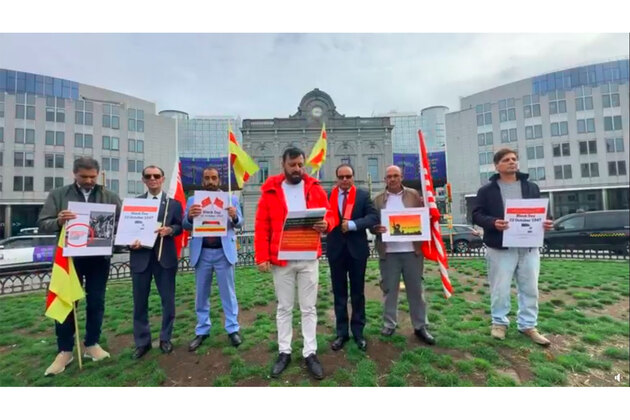
Brussels [Belgium], October 23 (ANI): Leaders of the United Kashmir People's National Party (UKPNP) held a powerful demonstration in...
PM Modi to attend ASEAN-India summit virtually, Jaishankar to represent India at East Asia meet
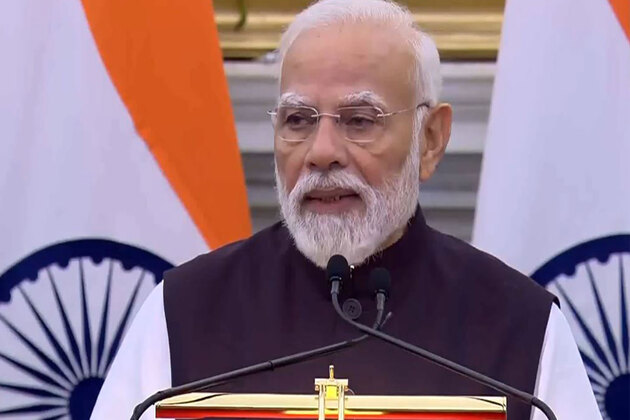
New Delhi [India], October 23 (ANI): Prime Minister Narendra Modi will virtually attend the 22nd ASEAN-India Summit on October 26 at...
Senior advocate Pinky Anand appointed Judge of Bahrain International Commercial court
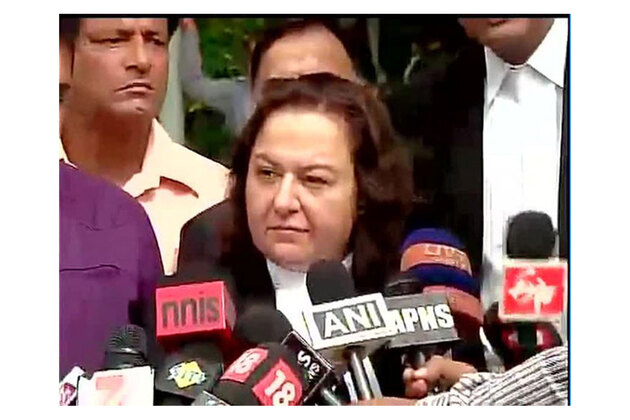
New Delhi [India], October 23 (ANI): Senior Advocate Pinky Anand, a prominent figure in India's legal fraternity, has been appointed...
Wary Of Angering Russia, Kazakhstan Alters Plaque On Famine
Few noticed when earlier this month city authorities in the Kazakh capital, Astana, quietly replaced a memorial plaque honoring the...
Indian refiners likely to halt Russian oil imports media
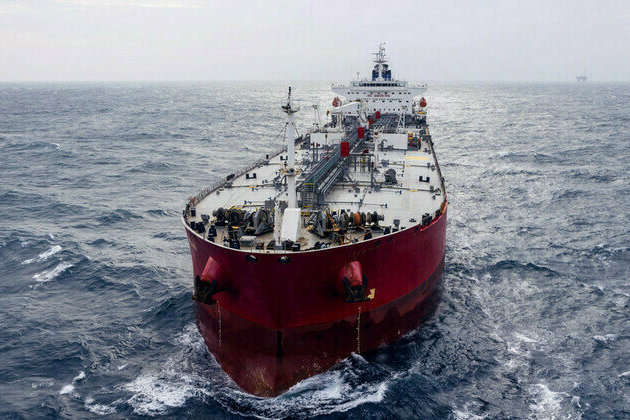
Buyers in the South Asian nation are reportedly expected to stop crude purchases due to the latest US sanctions on Rosneft and Lukoil...
