


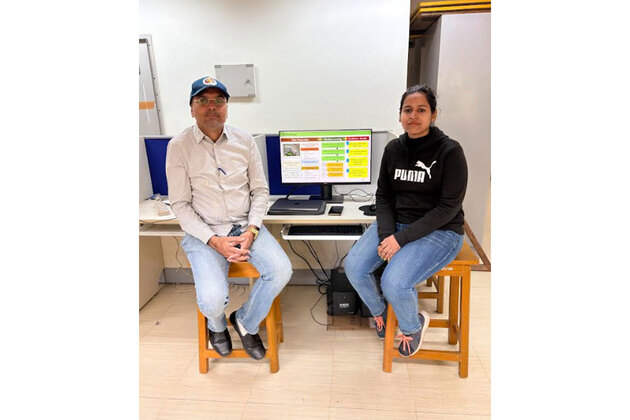
IIT Guwahati develops framework to identify High-Risk areas for Glacial Lake formation in the Eastern Himalayas
ANI
27 Jan 2026, 21:01 GMT+10
 Share
Share
 Tweet
Tweet
 Share
Share
 Flip
Flip
 Email
Email
Subscribe and Follow
Get a daily dose of Nepal National news through our daily email, its complimentary and keeps you fully up to date with world and business news as well.


News RELEASES
Publish news of your business, community or sports group, personnel appointments, major event and more by submitting a news release to Nepal National.
More InformationIndia opens auto market, to slash EU car tariffs in trade deal
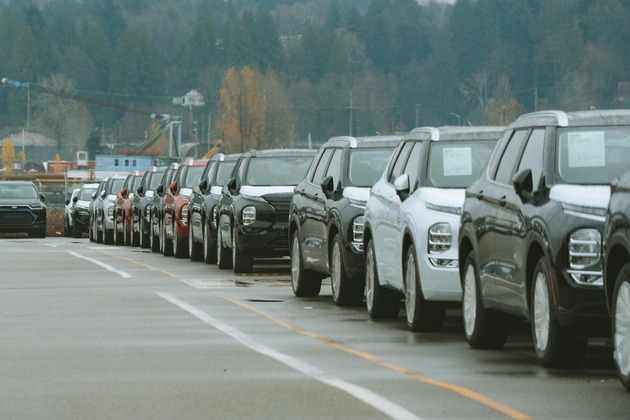
NEW DELHI/BRUSSELS: India is set to make its boldest move yet to open its tightly protected auto market, agreeing to sharply cut import...
Libya seals long-term oil pact as it courts foreign energy giants
TRIPOLI, Libya: Libya is moving to lock in long-term foreign investment in its energy sector, announcing a sweeping oil development...
Goldman CEO Solomon earns $47 million after blockbuster 2025

NEW YORK CITY, New York: A surge in dealmaking and trading that helped cap a standout year for Goldman Sachs also delivered a sizable...
U.S. stocks gain some ground as greenback slides further

NEW YORK, New York - U.S. stocks edged higher on Monday, but the dollar continued to be hammered, while gold shot up past $5,100 an...
SEC asks US court for permission to summon Adani Group chief directly

NEW DELHI, India: After two earlier requests were rejected by the Government of India, the U.S. Securities and Exchange Commission...
ByteDance seals deal for TikTok U.S. venture after years of talks

WASHINGTON, D.C.: After years of regulatory pressure and legal uncertainty, TikTok has secured a path to remain operational in the...
SEC asks US court for permission to summon Adani Group chief directly
NEW DELHI, India: After two earlier requests were rejected by the Government of India, the U.S. Securities and Exchange Commission...
Berlin and Rome urge EU reforms to boost competitiveness

BERLIN, Germany: Europe's two largest manufacturing economies are urging the European Union to move faster on reforms, warning that...
IIT Guwahati develops framework to identify High-Risk areas for Glacial Lake formation in the Eastern Himalayas
Guwahati (Assam) [India], January 27 (ANI): Research from the Indian Institute of Technology (IIT) Guwahati have developed a predictive...
(SP)INDONESIA-JAKARTA-FUTSAL-ASIAN CUP 2026-GROUP A-INDONESIA VS SOUTH KOREA

(260127) -- JAKARTA, Jan. 27, 2026 (Xinhua) -- Syauqi Saud (C) of Indonesia shoots during the group A match between Indonesia and South...
ICC T20 World Cup Trophy Tour reaches pacer Harshit Rana's alma mater
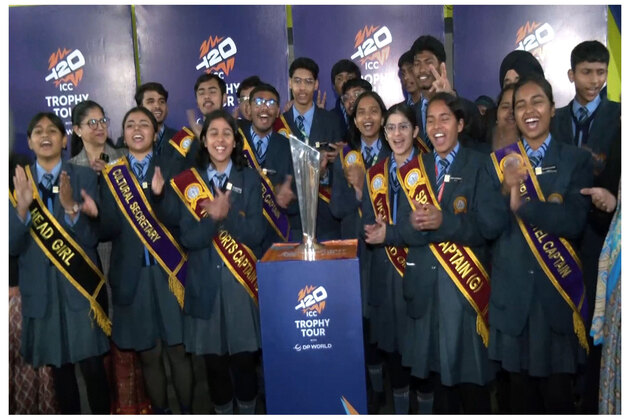
New Delhi [India], January 27 (ANI): The ICC T20 World Cup Trophy tour arrived at the alma mater of Indian pacer Harshit Rana, Ganga...
SINGAPORE-AIRSHOW-CHINESE PLA-AEROBATIC TEAM

(260127) -- SINGAPORE, Jan. 27, 2026 (Xinhua) -- Aircrafts of the Bayi Aerobatic Team of the Chinese People's Liberation Army (PLA)...
